
Architectural Films
Architectural Films
Introduction
Features of Architectural Films:
1. Versatile Applications:
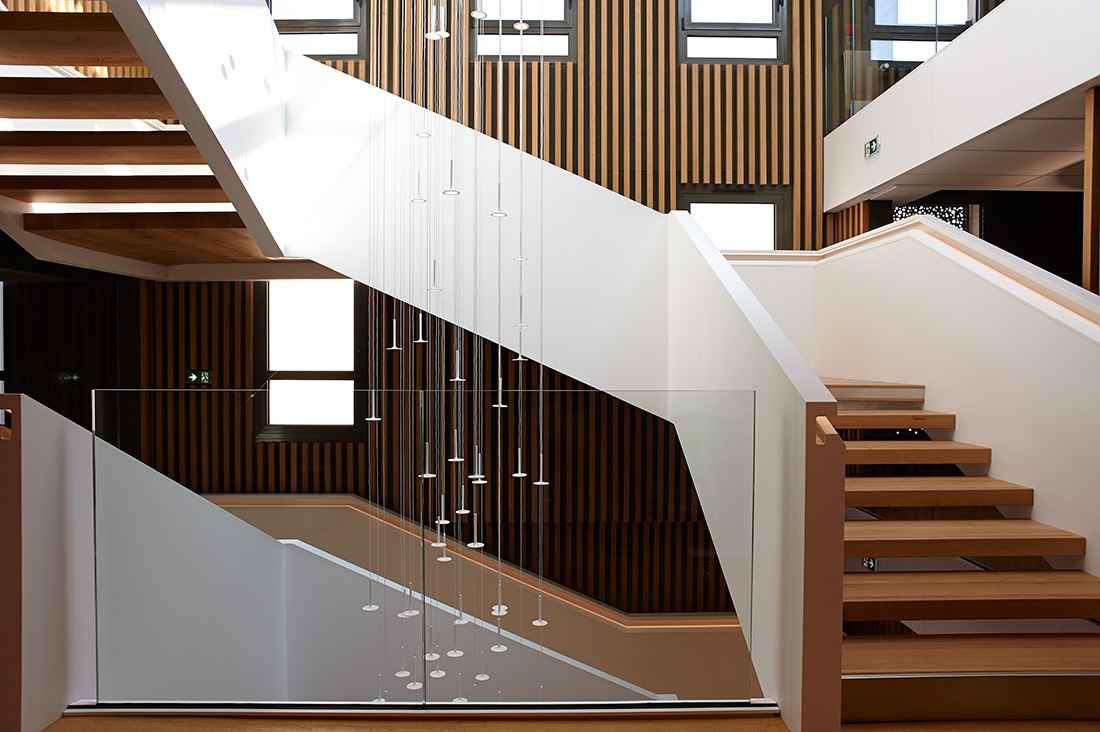
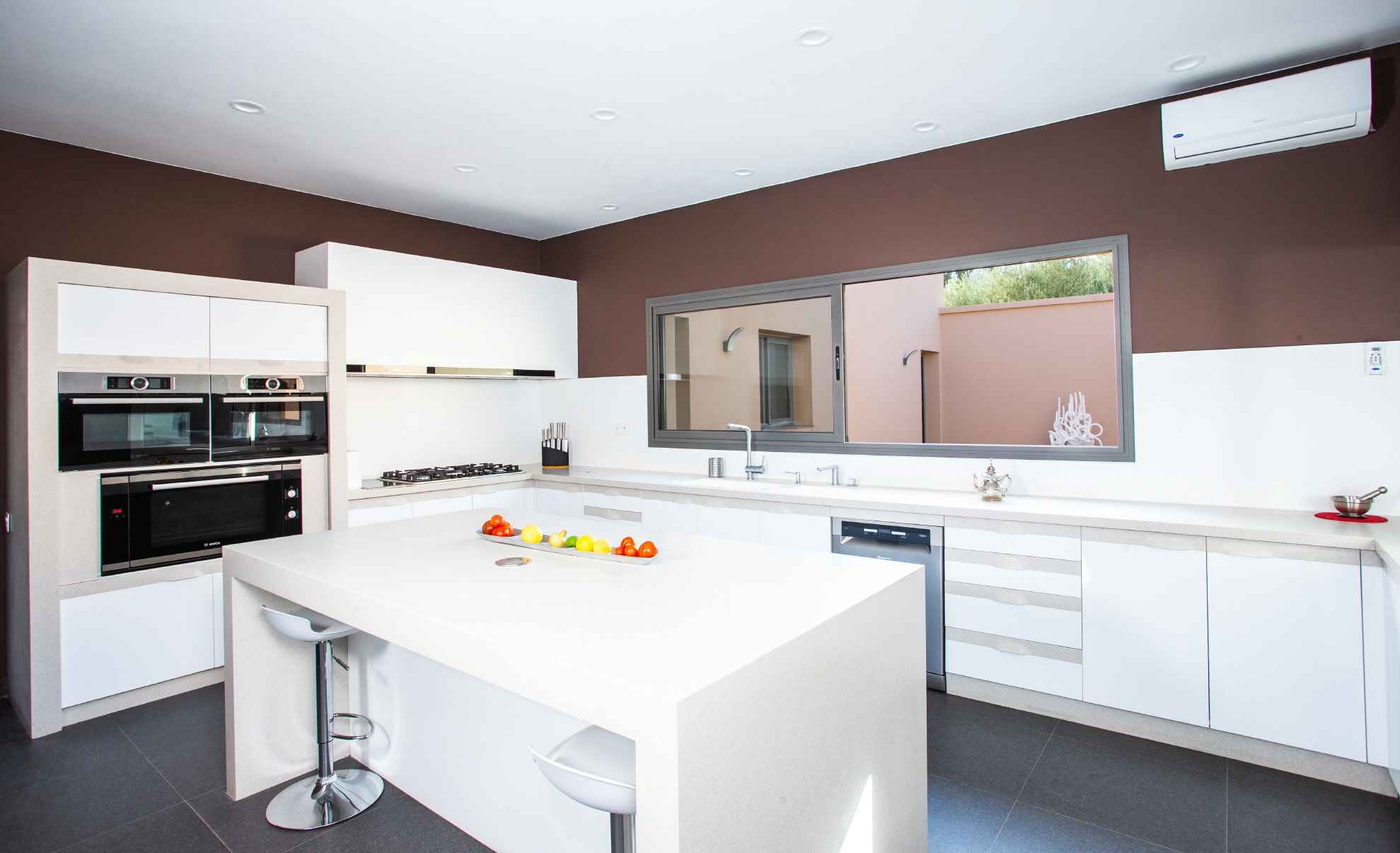
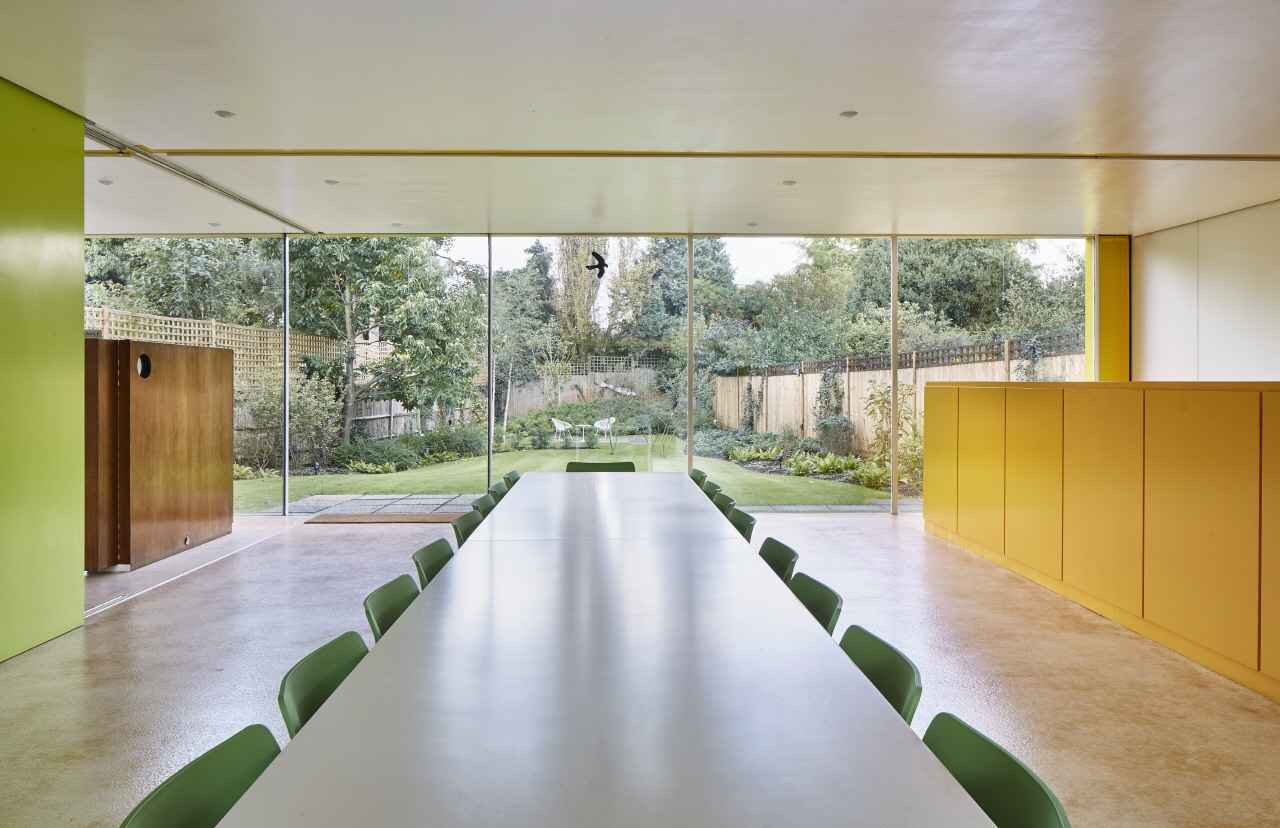
Our architectural films are designed for a wide range of applications, including interior and exterior surfaces such as walls, ceilings, floors, furniture, and architectural elements. From decorative finishes to functional enhancements, these films provide endless possibilities for transforming any space
Benefits:
- Versatility: Explore a variety of design options, including textures, patterns, colours, and finishes, to achieve the desired look and feel for your projects.
- Customization: Tailor architectural films to suit your specific needs and preferences, whether you’re renovating a residential space, commercial property, or hospitality venue.
2. Aesthetic Enhancement:
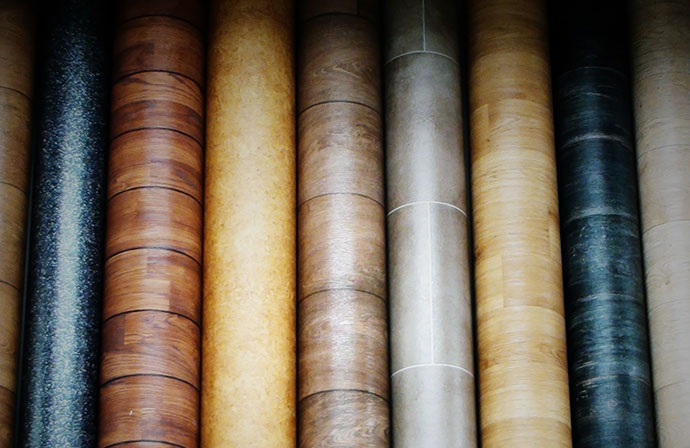
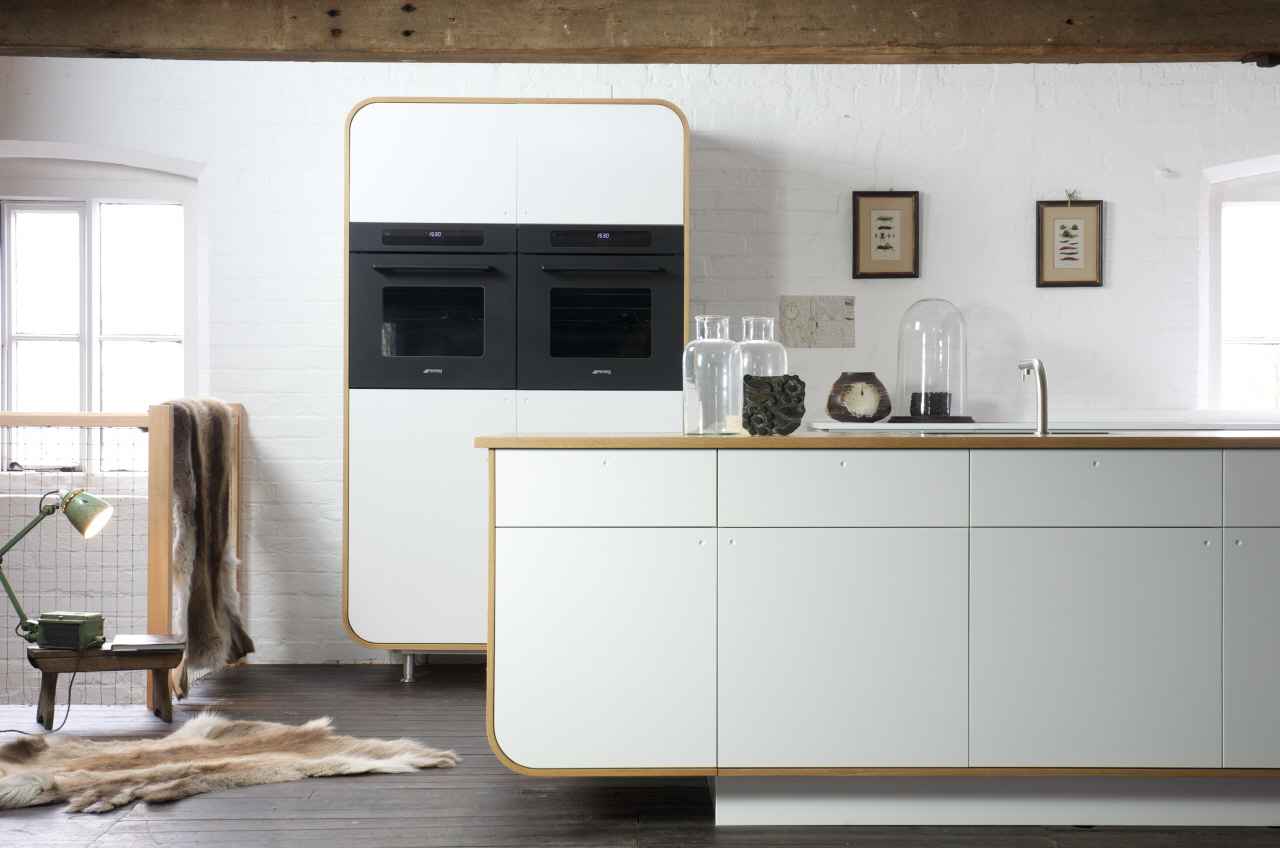
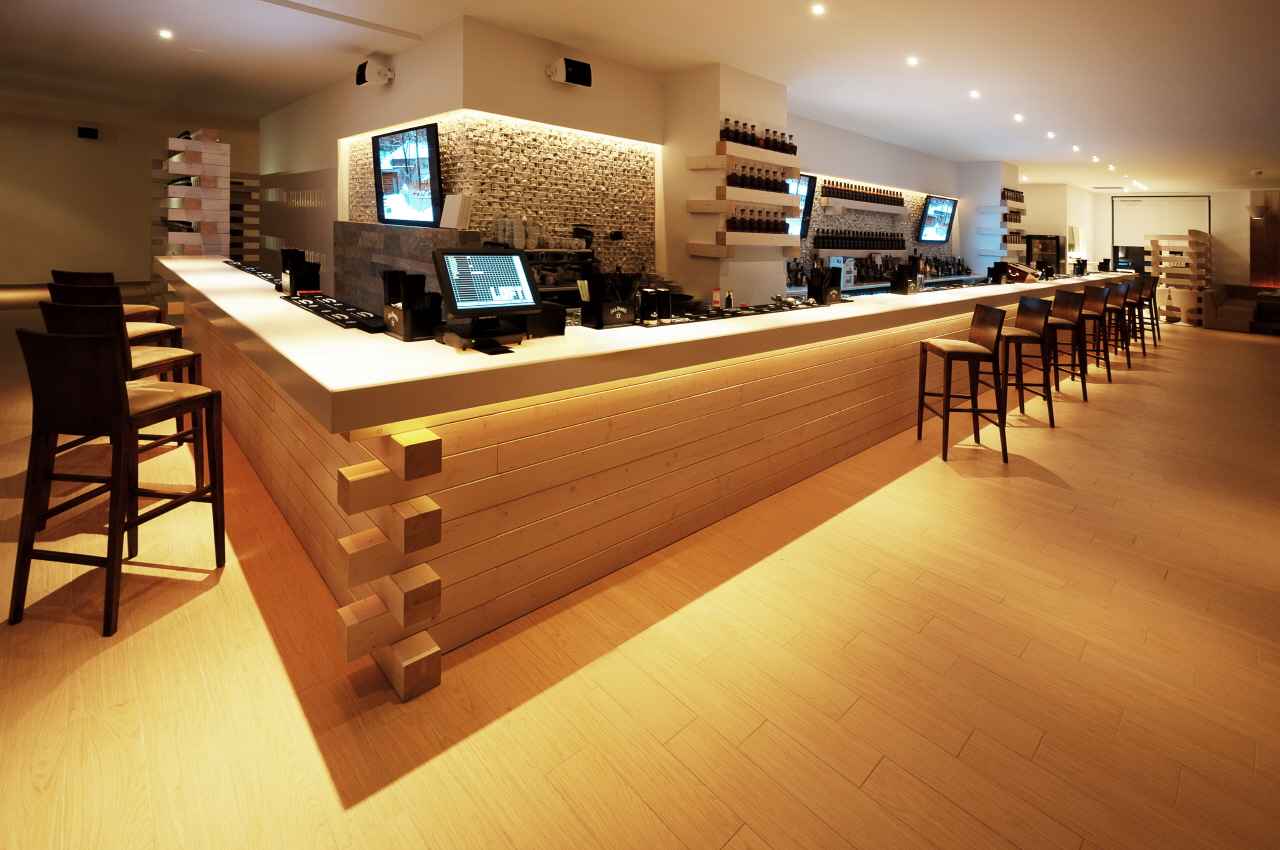
Elevate the visual appeal of your space with our architectural films, which offer an array of decorative finishes that mimic natural materials such as wood, stone, metal, and fabric. Create stunning feature walls, statement ceilings, and stylish furnishings with ease.
Benefits:
- Authentic Look and Feel: Enjoy the beauty of natural materials without the cost and limitations associated with traditional construction methods.
- Design Freedom: Experiment with different styles and aesthetics, from contemporary minimalism to rustic charm, using architectural films to bring your design concepts to life.
3. Functional Solutions:
Benefits
- Durability and Sustainability: Extend the lifespan of your surfaces and reduce environmental impact with architectural films that are engineered for durability and recyclability.
4. Easy Installation and Cost Savings:
Benefits:
- Time Efficiency: Complete your design projects faster and more efficiently with architectural films that require minimal preparation and installation time.
- Budget-Friendly: Save money on labour and materials by opting for architectural films as a cost-effective alternative to traditional renovation methods, without compromising on quality or aesthetics.
KEY Features of Architectural Films

Versatile Applications
Our architectural films are designed for a wide range of applications, including interior and exterior surfaces such as walls, ceilings, floors, furniture, and architectural elements. From decorative finishes to functional enhancements, these films provide endless possibilities for transforming any space.

Aesthetic Enhancement
Elevate the visual appeal of your space with our architectural films, which offer an array of decorative finishes that mimic natural materials such as wood, stone, metal, and fabric. Create stunning feature walls, statement ceilings, and stylish furnishings with ease.

Functional Solutions
In addition to their decorative capabilities, our architectural films offer functional benefits such as UV protection, heat insulation, glare reduction, scratch resistance, and easy maintenance. Enhance the performance and longevity of your surfaces while improving occupant comfort and safety.

Easy Installation and Cost Savings
Say goodbye to lengthy and costly renovation projects with our architectural films, which can be installed quickly and seamlessly over existing surfaces. Minimise downtime, disruption, and expenses while achieving remarkable transformations.

Swift Installation
Transforming your space with vinyl flooring is not only a breeze but also a remarkably quick process. Compared to other flooring solutions, our installation is an overnight affair, ensuring you enjoy your newly designed space in record time.
FAQs - Architectural Films
What are architectural films and how are they used in interiors?
Architectural films are flexible, decorative surfaces made from PVC or similar materials, often with finishes like wood grain, metal, fabric textures, or patterns. They’re used to enhance or transform surfaces like walls, ceilings, furniture, glass partitions, and joinery—delivering stylish visuals without heavy construction.
How do architectural films differ from laminates and veneers?
Unlike laminates or wood veneers, architectural films are thinner, lighter, and more flexible. They can be self-adhesive or applied with adhesives, wrap curved surfaces easily, and can mimic a wider variety of textures. They are more cost-efficient, lower maintenance, and easier to install or replace.
Are architectural films durable and suitable for commercial spaces?
Yes. High quality architectural films are designed to resist scratching, fading, moisture, and daily wear. For commercial spaces (offices, shops, hotels), they offer a practical solution—stylish looks + lower cost + easier upkeep than materials like solid wood or stone.
Can architectural films be used in humid or wet areas like bathrooms or kitchens?
Depending on the film’s specification—its adhesive type, finish, and thickness—many architectural films are water resistant and suitable for areas that have occasional moisture. However, for consistently wet surfaces or direct water exposure, it’s essential to select films rated for such conditions and ensure proper sealing at edges.
How to clean and maintain architectural films to preserve their look?
Maintenance is usually simple: regular dusting, wiping with a soft damp cloth, and avoiding harsh chemicals or abrasive tools. For textured or glossy finishes, use mild, pH-neutral cleaners. Promptly clean any stains or spills to prevent discoloration or permanent marks.
Are architectural films eco-friendly?
Many architectural films today are manufactured with eco-conscious processes—low VOC adhesives, recyclable backings, and certifications depending on the manufacturer. To ensure sustainability, check for certifications like Greenguard or other environmental standards for building materials.
How long does architectural film last?
Life expectancy depends on the quality of the film, where it’s used, and how well it’s maintained. In typical interior applications (walls, furniture, ceilings), architectural films can last anywhere from 5 to 15 years or more. For high-traffic or high-exposure areas, lifespan might be somewhat less, depending on wear.
What maintenance is required for Altro flooring solutions?
Can architectural films cover curved surfaces or irregular shapes?
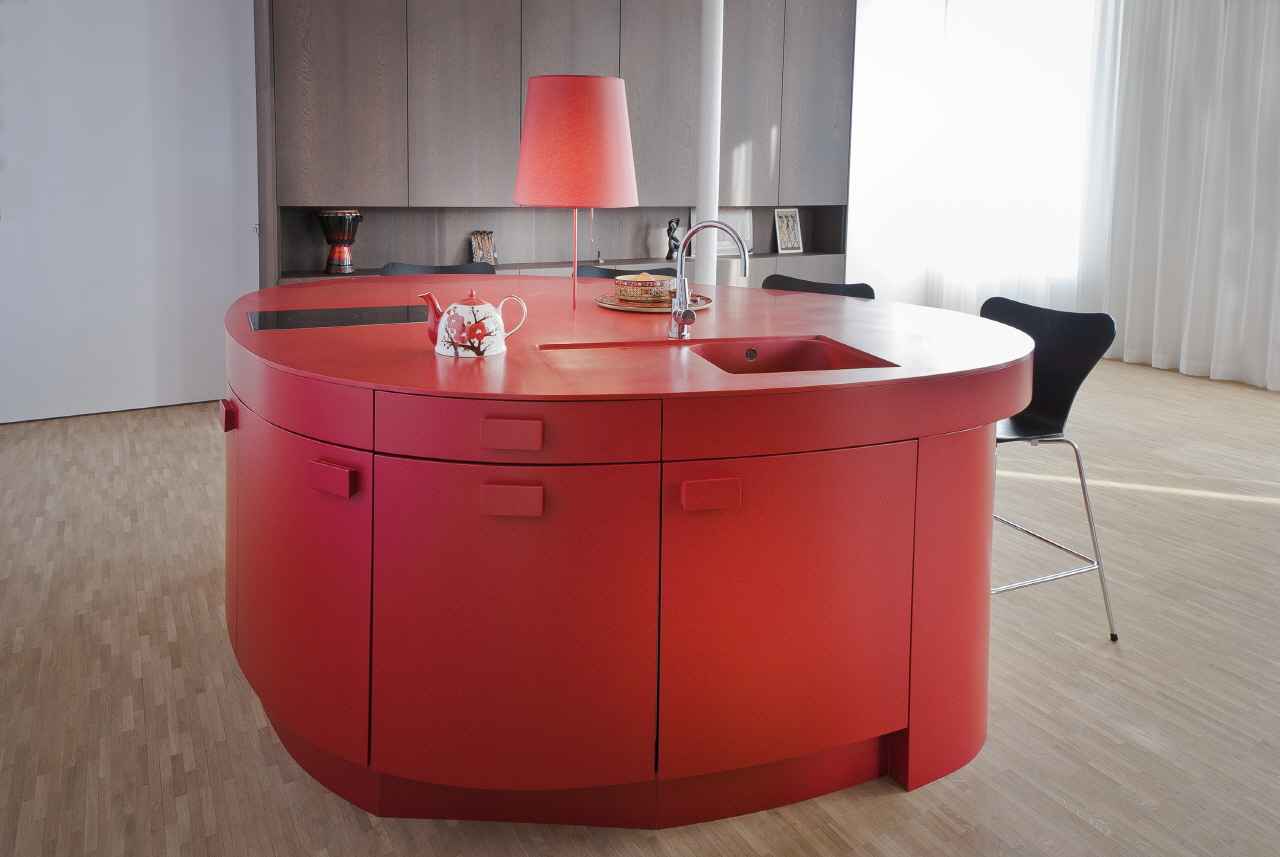
Yes. One of the biggest advantages of architectural films is their flexibility. They can wrap around curves, edges, and irregular shapes—columns, rounded furniture, curved ceilings—much more easily than wood panels or stone slabs.
Do architectural films fade or lose color over time?
Good quality architectural films feature UV-stable pigments and protective finishes that resist fading under normal indoor lighting and sunlight exposure. However, prolonged exposure to harsh direct sunlight through windows may lead to some fading over many years. Choosing UV-resistant films helps prolong color and finish integrity.